
Undergraduate
For an exciting and practical degree programme in a subject that is changing every aspect of our lives, Manchester's Department of Computer Science is the ideal place to study.
97% - our student satisfaction score for the BSc (Hons) Computer Science course in 2017.
The National Student Survey
Undergraduate computer science at Manchester is fascinating. You'll use specialist computing equipment, benefit from regular contact with accomplished tutors and leave with a degree attractive to leading employers.
Explore your course options, the advantages of an industrial experience year and the application process below.
Learning at Manchester
Discover more about what life is like as an undergraduate in the Department of Computer Science:
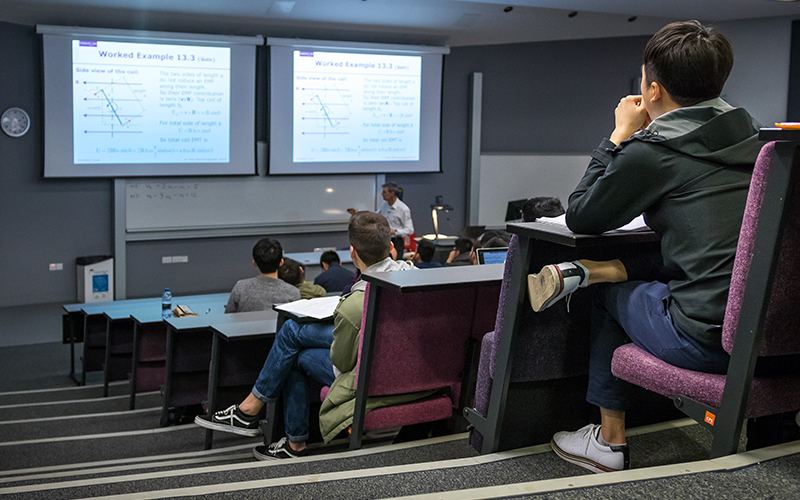
Lectures: These are the main method for delivering material. Each lecture is typically around 50 minutes long, and you'll have approximately ten lectures per week in the first year. Course units in the first year are often core to most students, so more than 200 students can be in attendance.
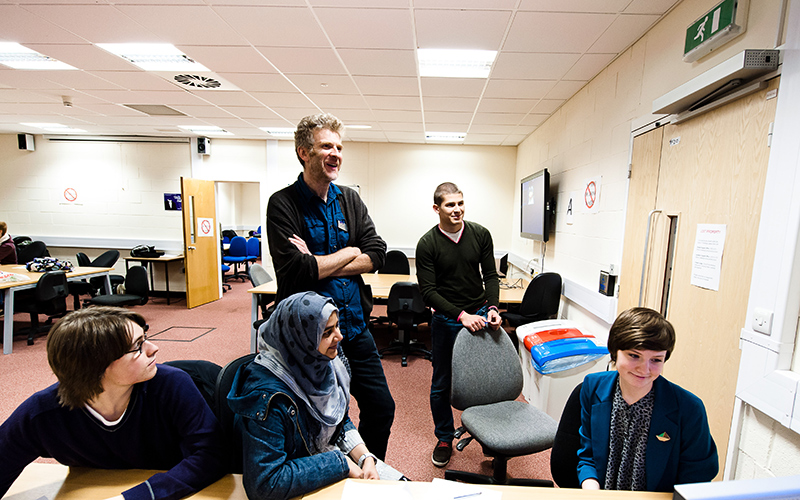
Tutorials: You'll receive help and advice in smaller groups (typically six students) under the guidance of your personal academic tutor. The tutorial group meets for one hour each week, and the meeting presents an opportunity to discuss issues in an open and friendly environment.
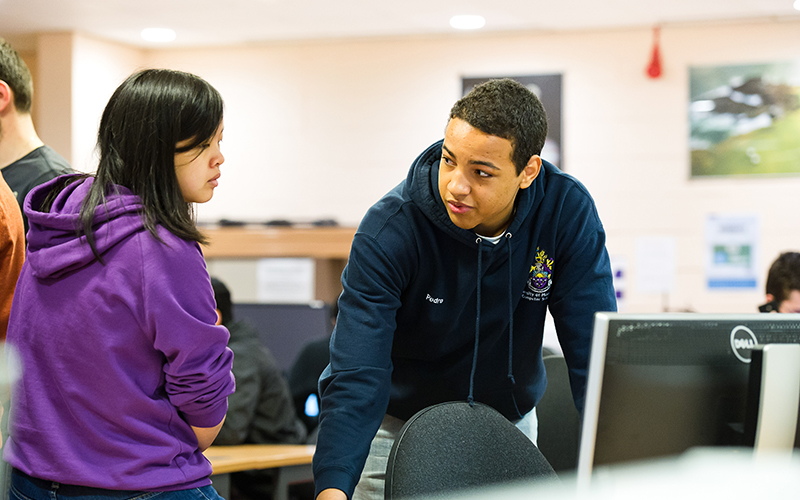
Workshops: Some lectures take place in workshop format, with several members of staff on hand to assist you with problem solving. All workshops are accompanied by specially prepared handouts and a range of study materials available on our dedicated online Blackboard system.

Examples classes: Some course units in the first year have examples classes associated with them. Here you'll be given the opportunity to work through assigned exercises and problems in a classroom environment, with support from academic staff and postgraduate student teaching assistants.
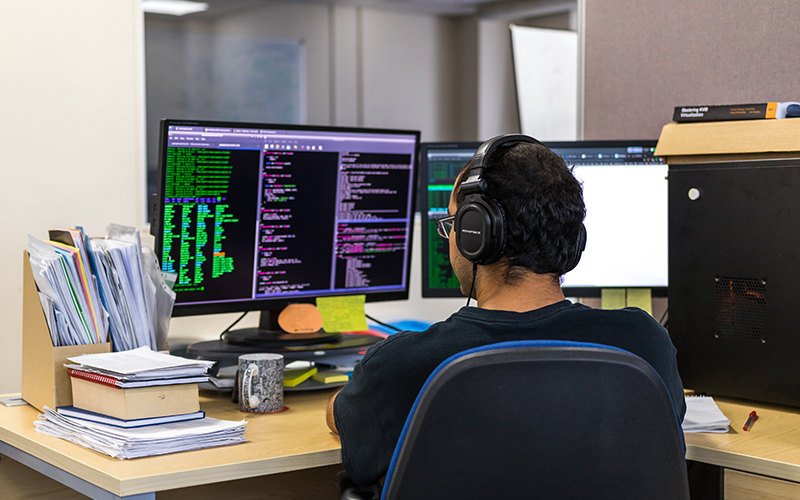
Computer labs: The Department has extensive computer laboratories for undergraduate students; these are also available for use outside of scheduled laboratory hours. Each course unit with a laboratory component will typically include a two-hour lab session per week.
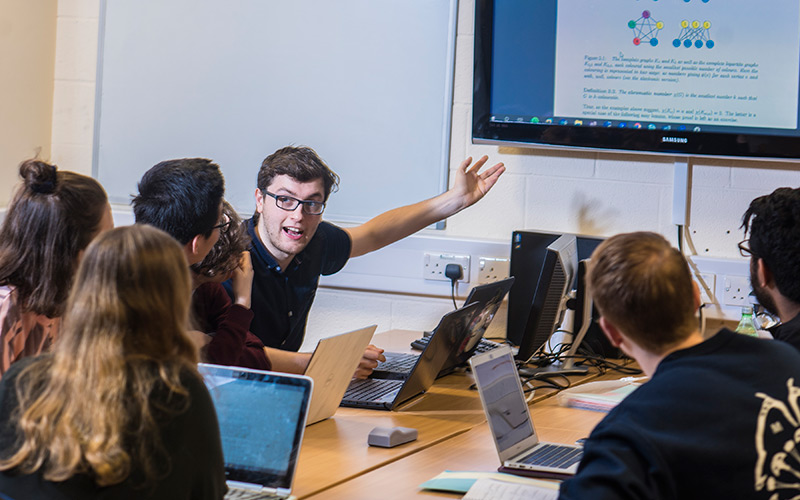
Peer-Assisted Study Scheme (PASS): A student mentoring scheme in which undergraduate students in Years 1 and 2 gain help and advice from more experienced second and third year students. PASS gives you the opportunity to meet more students and discuss any problems you may have.
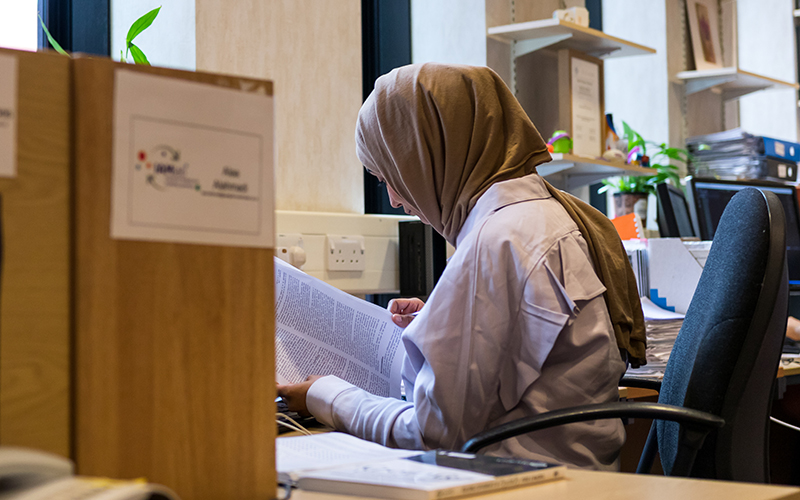
Self study: You have approximately 20 hours of timetabled teaching activities each week. In addition to this we expect you to undertake an additional 20 hours of self study (preparing for laboratories and examples classes, completing exercises, reviewing lecture material etc).






Industrial experience
Discover more about our connections with major companies and how they could benefit you.

Foundation year
Reach the required level for entry to the University through a foundation year.